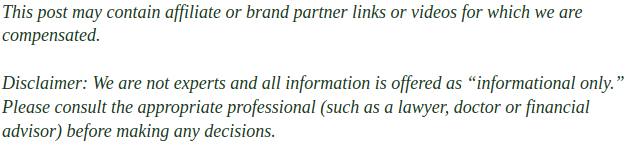
Remodeling a home is an exciting opportunity to improve comfort, functionality, and value, but it can place significant stress on the home’s critical systems. Roofing, HVAC, plumbing, and exterior surfaces are particularly vulnerable during construction. Without careful planning, renovations can inadvertently damage these systems, leading to costly repairs, project delays, and disruption of daily life.
Homeowners who proactively plan for system protection can minimize risks and maintain functionality throughout the renovation process. This involves inspections, preventive maintenance, proper sequencing, and close coordination with contractors. By addressing vulnerabilities early and maintaining oversight during construction, homeowners can ensure a smoother, more efficient remodeling experience.
1. Conducting a Comprehensive Pre-Remodel Inspection
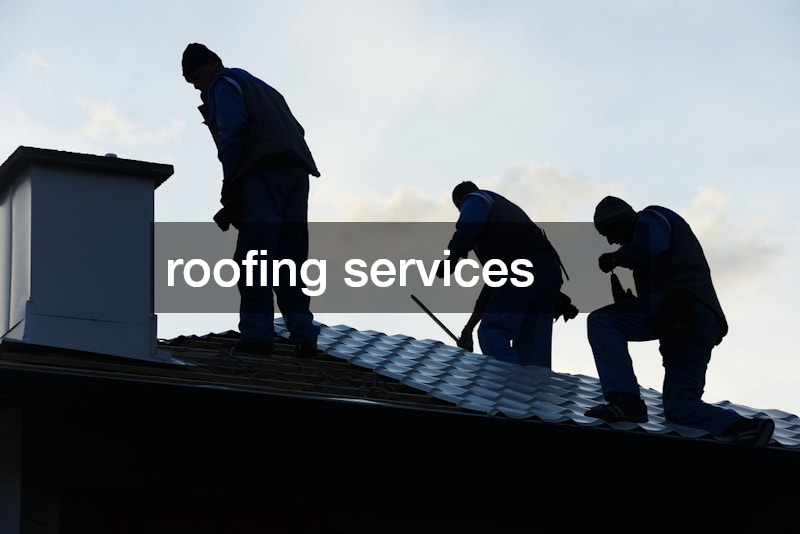
A pre-remodel inspection is a critical first step in any home renovation, providing a clear understanding of the property’s current condition and highlighting potential vulnerabilities. Skipping this step can lead to overlooked problems that quickly escalate once construction begins, resulting in unexpected costs, delays, and even structural damage. A thorough inspection not only informs planning and sequencing but also gives contractors and homeowners a baseline for monitoring changes throughout the renovation process.
Key components of a thorough inspection:
-
Roof evaluation: Begin with a detailed assessment of the roof. Examine shingles for wear, curling, or missing sections, and inspect flashing around chimneys, vents, and skylights for gaps or rust. Gutters and downspouts should be checked for blockages, sagging, or leaks that could affect drainage. Look inside the attic and ceilings for water stains, mold, or structural sagging, which may indicate underlying issues. Engaging roofing companies ensures that both visible and hidden vulnerabilities are professionally identified, and recommendations for repairs or preventive measures are provided.
-
Minor repairs: Once potential issues are identified, schedule immediate fixes through roofing services. This can include sealing leaks, replacing damaged shingles, reinforcing weak decking, or repairing flashing. Completing these minor repairs before construction reduces the risk of water intrusion, which could damage new materials, interior finishes, or exposed insulation during remodeling. Taking care of these issues in advance also prevents emergency calls mid-project, which can delay work and increase costs.
-
Documentation: Meticulous documentation is essential. Take high-resolution photos of the roof, attic, gutters, and any other vulnerable systems, and maintain detailed notes describing the condition of each element. Documenting existing damage, wear, or structural concerns provides a reference point to assess whether any new damage occurs during construction. This information is also invaluable for communicating with contractors and can support insurance claims if issues arise.
-
Contractor input: Consulting with both roofing and general contractors enhances the effectiveness of the inspection. Contractors can offer practical insights on potential risks related to construction activities, such as areas that may be stressed by scaffolding or heavy materials. Their expertise helps homeowners prioritize which issues require immediate attention and which can be safely monitored during renovations. They can also advise on proper sequencing of tasks to minimize conflicts between trades.
-
Additional systems review: While the primary focus may be the roof, a comprehensive pre-remodel inspection should also include adjacent and related systems that could be affected by roofing work, such as HVAC units near the roofline, plumbing vent stacks, or attic insulation. Checking these systems concurrently ensures all critical areas are addressed and protected before construction begins.
Conducting a comprehensive pre-remodel inspection establishes a solid foundation for the entire renovation. It reduces the risk of unexpected costs, ensures that all vulnerabilities are addressed proactively, and provides contractors with the information needed to execute the project efficiently and safely. Homeowners who invest in a thorough inspection can proceed with confidence, knowing that critical systems are protected and that the renovation has a strong, risk-managed starting point.
2. Planning Roof Repairs and Replacements Early
Roof systems are inherently exposed to a variety of stressors, and during remodeling, this vulnerability increases significantly. Construction crews frequently move heavy equipment, materials, and scaffolding near or on roof areas, which can exacerbate existing weaknesses or create new damage. By planning roof repairs or replacements in advance, homeowners can protect the structural integrity of their homes, prevent delays in the renovation schedule, and avoid costly emergency fixes.
Strategies for effective roof management:
-
Schedule early: Any roof installation or roof replacements should be planned and completed before major interior or exterior projects commence. Completing roofing work first ensures that other trades—such as painters, siding installers, or HVAC technicians—can perform their tasks without the risk of stepping on weakened areas or causing accidental damage. Early scheduling also allows contractors to account for weather-related delays and ensures that the roof is fully functional before exposing the home to potential water intrusion from ongoing construction.
-
Material coordination: Properly coordinating roofing materials with other construction activities is critical. Choose materials that are compatible with adjacent work such as siding installation, exterior painting, or HVAC upgrades. For example, some roofing products may require specialized underlayment or flashing that must align with exterior wall finishes or venting systems. Confirming material compatibility with all involved trades helps prevent last-minute adjustments that can slow down the project.
-
Protective measures: Even when roofing work is completed first, the roof remains susceptible to damage during the remainder of the renovation. Implement protective measures such as tarps, temporary shields, or plywood walkways to prevent debris, tools, or construction equipment from scratching or puncturing the roofing surface. In high-traffic areas, especially near scaffolding or material storage zones, these protections can significantly reduce the risk of accidental damage.
-
Access management: Clear communication with all contractors regarding roof access points is essential. Identify which areas are safe for walking or material placement and which are off-limits. Providing contractors with a map or guidance on the safest routes can minimize stress on the roof structure, reduce the chance of accidental damage, and improve workflow efficiency. Limiting unnecessary traffic on newly installed roofing also protects the integrity of the system and extends its lifespan.
-
Inspection after installation: After completing roof replacements or roof installation, schedule a thorough inspection to ensure that all components—including shingles, flashing, vents, and gutters—are properly installed and undamaged. Addressing minor imperfections early prevents costly repairs later and ensures that the roof is fully prepared to withstand subsequent construction activity.
By planning roof repairs and replacements early, homeowners not only protect a critical home system but also streamline the overall renovation workflow. A well-maintained roof reduces the risk of water damage, structural issues, and unexpected expenses, while allowing other trades to work efficiently and safely throughout the project. Early preparation also provides peace of mind, ensuring that the roof functions as a reliable shield over the home during every stage of the renovation.
3. Maintaining Exterior Surfaces During Construction

Driveways, patios, and walkways are often overlooked but can be easily damaged during remodeling. Protecting these surfaces requires careful planning and contractor coordination.
Best practices for exterior surface protection:
-
Pre-construction assessment: Identify areas likely to experience heavy traffic or equipment use.
-
Professional maintenance: Hire asphalt paving contractors for any necessary repairs before construction begins.
-
Coordination with trades: Work with asphalt companies to prevent damage from construction vehicles or material deliveries.
-
Protective barriers: Use temporary coverings, cones, or fencing to safeguard newly paved or sensitive areas.
Proactively managing exterior surfaces ensures safe access for contractors and protects the investment in your home’s curb appeal.
4. Protecting HVAC Systems Throughout Renovation

HVAC systems are critical for maintaining comfort and air quality during renovations, but they can be vulnerable to dust, debris, and accidental damage.
Protection strategies:
-
System inspection: Conduct a thorough check of your HVAC system before construction. Identify worn components or areas that require maintenance.
-
Preventive service: Schedule HVAC repairs as needed to ensure the system functions optimally during remodeling.
-
Air conditioning maintenance: Engage local AC repair specialists to clean and service units, especially if dust exposure is expected.
-
Debris protection: Cover vents and units with temporary shields to prevent construction materials from entering the system.
Maintaining HVAC systems throughout the renovation preserves indoor air quality and prevents costly repairs caused by dust, debris, or system strain.
5. Coordinating Water Heater Maintenance
Water heaters are another critical system that requires attention during remodeling. Leaks or malfunctions can cause significant damage if not addressed proactively.
Tips for water heater maintenance:
-
Inspection: Evaluate the age, efficiency, and condition of your water heater. Look for leaks, corrosion, or signs of wear.
-
Scheduling repairs: Engage local water heater repairs before construction to prevent disruptions.
-
Integration with HVAC: Coordinate with HVAC repairs if the water heater is connected to the home’s heating system.
-
Timing: Plan service when plumbing and mechanical work are not actively underway to reduce disruption and prevent damage.
Proper water heater management ensures continuous hot water supply and reduces the risk of leaks during the renovation process.
6. Sequencing Work to Minimize System Conflicts
Renovations often involve multiple trades working simultaneously, which can lead to conflicts and accidental damage if not properly sequenced.
Sequencing strategies:
-
Detailed schedule: Create a comprehensive timeline for roofing, plumbing, HVAC, and exterior work.
-
Professional input: Consult a roofing professional to determine the best order for roof-related tasks, including minor repairs, installations, or replacements.
-
Coordination: Engage roofing companies early in the planning process to align roofing activities with other trades.
-
Communication: Ensure that contractors are aware of system sensitivities and plan access routes to minimize interference.
Effective sequencing reduces the risk of costly mistakes, protects critical systems, and helps maintain project momentum.
7. Protecting Indoor Systems from Dust and Debris
Dust and debris from demolition or construction can infiltrate HVAC systems and affect water heaters, causing long-term issues if left unchecked.
Protective measures:
-
Seal work areas: Use plastic sheeting and barriers to contain dust within construction zones.
-
Regular cleaning: Schedule routine maintenance for local AC repair to ensure air conditioning units are free from dust accumulation.
-
Inspection of water heaters: Have local water heater repairs performed if construction occurs near utility rooms to detect any damage.
-
Filter replacement: Regularly check and replace HVAC filters during the renovation to maintain system efficiency and air quality.
Keeping indoor systems clean prevents damage and ensures comfortable living conditions throughout the remodeling process.
8. Managing Emergency Repairs During Renovations
Even with thorough planning, emergencies can occur. Having a plan for rapid response ensures that minor issues do not become major setbacks.
Emergency strategies:
-
Maintain contacts: Keep a list of trusted contractors for urgent repairs.
-
Prompt attention: Schedule roof repairs immediately if leaks or damage are detected during construction.
-
Utilize services: Engage roofing services for minor adjustments or emergency fixes without delaying other trades.
-
Documentation: Track emergency repairs to monitor recurring issues and maintain system integrity.
Preparedness allows homeowners to respond quickly, minimizing damage and keeping renovations on schedule.
9. Maintaining Communication Between Contractors
Effective communication between trades is essential to protect systems and maintain a smooth workflow. Miscommunication can lead to accidental damage or scheduling conflicts.
Communication strategies:
-
Shared schedules: Provide all contractors with a unified timeline for roofing, plumbing, HVAC, and exterior work.
-
Coordination: Work with asphalt companies and asphalt paving contractors to protect driveways and pathways while other trades are active.
-
Reporting protocols: Establish clear channels for reporting issues with roofing, HVAC, plumbing, or exterior surfaces.
-
Project logs: Use shared documentation to track progress, problems, and completed tasks.
Clear communication reduces errors, prevents unnecessary damage, and keeps the renovation process organized.
10. Post-Renovation System Checks and Maintenance
Once renovations are complete, a thorough check of all critical systems ensures that the home is safe, functional, and ready for long-term use.
Final maintenance steps:
-
Comprehensive inspection: Review roofing, HVAC, water heaters, and paved surfaces for damage or deficiencies.
-
Touch-ups: Schedule any remaining roof installation adjustments or minor repairs.
-
Professional verification: Consult a roofing professional to confirm the roof’s integrity after construction activities.
-
Ongoing maintenance plan: Document all inspections, repairs, and contractor recommendations to establish a regular maintenance schedule.
Post-renovation checks ensure that all systems function optimally and that any latent issues are addressed promptly, preserving the homeowner’s investment.
Maintaining critical home systems during remodeling is essential for preventing costly damage and ensuring a smooth construction process. Proactive inspections, strategic sequencing, protective measures, and ongoing communication between contractors safeguard roofing, HVAC, plumbing, and exterior surfaces.
By addressing vulnerabilities early, scheduling preventive maintenance, and monitoring systems throughout construction, homeowners can minimize risk and maintain comfort and safety. A well-planned approach not only protects the home during renovation but also preserves its long-term functionality and value.