Modern industrial systems are powered by a vast network of technologies that span agriculture, manufacturing, logistics, environmental management, and digital infrastructure. From the early stages of raw material production to the advanced equipment used in factories and laboratories, innovation plays a critical role in improving efficiency, safety, and sustainability.
Many people think of industry only in terms of factories or heavy machinery, but the reality is far broader. Agricultural production, chemical processing, transportation fleets, diagnostic imaging, and broadcast infrastructure all rely on specialized technologies working together behind the scenes. These systems help businesses produce goods more efficiently, minimize waste, maintain compliance with regulations, and improve operational reliability.
Understanding how these technologies connect—from farm to factory—provides valuable insight into the systems that support modern economies. Tools such as open scanners, catalyst recycling, digital vehicle inspections, and position transducers demonstrate how innovation is transforming industrial processes across multiple sectors.
Modern supply chains are increasingly interconnected, meaning improvements in one area often benefit multiple industries. For example, advances in agricultural production can reduce raw material costs for manufacturers, while improvements in recycling technologies can help companies operate more sustainably. As industries continue to adopt new technologies, the integration between sectors becomes even more important.
Below is a closer look at some of the technologies shaping modern industry and how they work together across the supply chain.
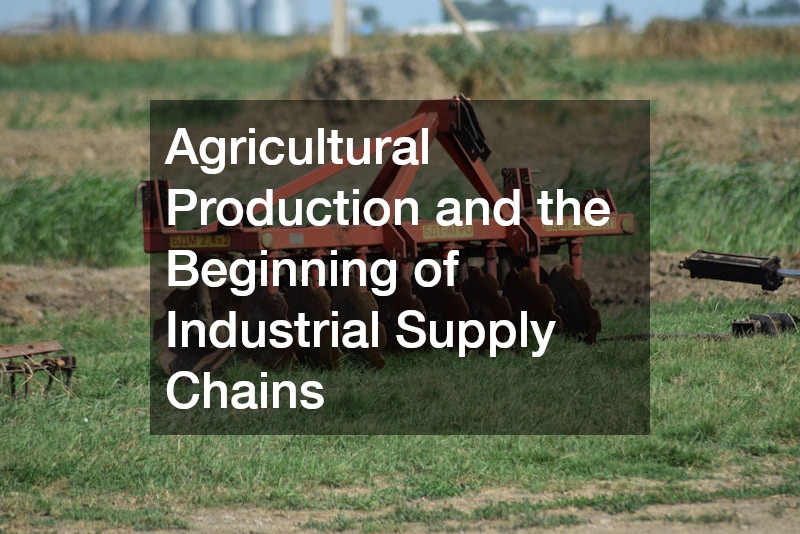
Agricultural Production and the Beginning of Industrial Supply Chains
Nearly every industrial process begins with raw materials, and agriculture remains one of the most important sources of these materials. Among the many agricultural products that support global industries, cotton continues to play a significant role in textiles, manufacturing, and consumer goods.
Modern cotton farming has evolved significantly in recent decades. Farmers now rely on precision agriculture techniques, satellite mapping, and data-driven irrigation systems to maximize yields while conserving resources. Advances in seed technology and soil monitoring also allow growers to reduce chemical usage and improve crop resilience.
Agricultural technology companies have also introduced smart farming tools that help farmers monitor crop health and soil conditions in real time. Drones, automated irrigation systems, and predictive analytics allow producers to make better decisions about planting, fertilization, and harvesting schedules.
Beyond the fields, harvesting equipment and processing facilities work together to prepare cotton for manufacturing. Automated ginning systems separate fibers from seeds, while quality monitoring tools ensure consistency before the material moves to textile manufacturers.
The technologies supporting agriculture do more than improve productivity—they also help farmers meet growing sustainability expectations. Efficient irrigation systems, improved crop genetics, and soil conservation practices are helping agricultural producers maintain profitability while reducing environmental impact.
Once harvested, raw materials such as cotton enter broader industrial networks where manufacturing equipment and specialized machinery transform them into finished goods.
Manufacturing Equipment and Material Processing
Once raw materials arrive at processing facilities, they undergo a wide range of industrial transformations. Manufacturing plants rely on specialized equipment to heat, mix, shape, and refine materials for use in products across multiple industries.
One example of this type of equipment is the industrial wax melter, which plays a critical role in industries ranging from candle production to coatings, packaging, and cosmetics manufacturing. These systems are designed to melt wax or similar materials safely and efficiently while maintaining precise temperature control.
Industrial melters allow manufacturers to handle large volumes of raw material while ensuring consistent quality during production. Advanced systems often include digital temperature controls, safety mechanisms, and automated dispensing capabilities that streamline production workflows.
Precision in these environments is essential. Even small variations in temperature or material consistency can affect product quality. For this reason, manufacturers frequently integrate sensors and monitoring tools throughout production lines.
Sensors that measure pressure, displacement, or movement—such as a position transducer—help ensure that machinery operates within exact specifications. These devices convert mechanical motion into measurable electrical signals, allowing operators to monitor equipment performance in real time.
By combining advanced machinery with precision measurement technology, manufacturers can maintain high-quality production standards while minimizing downtime and waste.
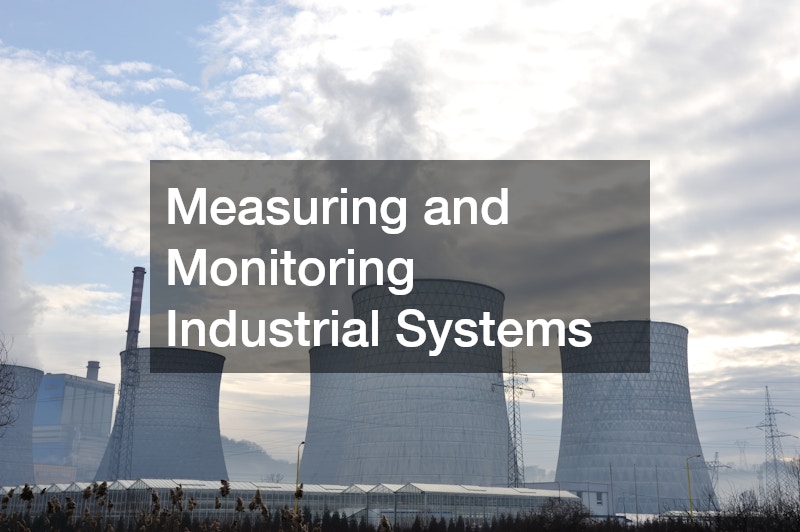
Measuring and Monitoring Industrial Systems
Reliable industrial processes depend heavily on accurate monitoring. Sensors, diagnostic tools, and calibration equipment allow operators to track conditions such as pressure, temperature, humidity, and vibration throughout facilities.
Devices like a position transducer are often integrated into automated systems to measure displacement or movement in machinery. These sensors provide critical feedback that helps operators maintain precise control over equipment operations.
Monitoring technologies extend beyond individual machines. Entire facilities often rely on environmental monitoring systems to maintain regulatory compliance and ensure safe working conditions.
Organizations that provide environmental test equipment services help industries evaluate air quality, emissions levels, and workplace safety conditions. These services include equipment calibration, environmental monitoring solutions, and compliance testing that helps companies meet government and industry standards.
Environmental monitoring has become especially important in sectors such as chemical processing, pharmaceuticals, and manufacturing, where strict regulations govern emissions and workplace exposure limits. By partnering with testing service providers, companies can maintain regulatory compliance while protecting employees and surrounding communities.
Monitoring tools and testing services work together to ensure industrial facilities remain safe, efficient, and environmentally responsible.
Recycling Technologies and Sustainable Industrial Practices
As industries continue to expand, sustainability has become a major focus for manufacturers and chemical processors. Recycling technologies allow companies to recover valuable materials while reducing waste and minimizing environmental impact.
One example is catalyst recycling, a process used in chemical manufacturing and petroleum refining. Catalysts are substances that accelerate chemical reactions without being consumed during the process. Over time, however, catalysts degrade or become contaminated and must be replaced.
Rather than discarding spent catalysts, specialized recycling processes recover valuable metals such as platinum, palladium, and rhodium. These metals are then refined and reused in new catalysts or other industrial applications.
Another important recycling technology used in laboratories and manufacturing environments is the acetone recycling machine. Acetone is a widely used solvent in industries such as electronics, pharmaceuticals, and coatings. Instead of disposing of contaminated solvent after use, recycling systems distill and purify acetone so it can be reused multiple times.
This approach reduces chemical waste, lowers operational costs, and helps facilities comply with environmental regulations.
Recycling technologies like these demonstrate how modern industrial systems are evolving to support sustainability while maintaining productivity.
Logistics and Heavy Equipment for Industrial Operations
Moving materials through industrial environments requires specialized equipment designed to handle heavy loads and operate safely in challenging conditions.
Among the most versatile tools used in these environments are winch systems. Winches are mechanical devices that use cables or ropes to lift, pull, or secure heavy objects. They are widely used in construction, marine operations, manufacturing plants, and transportation industries.
Modern winch systems are often powered by electric, hydraulic, or pneumatic motors. These systems allow operators to move large equipment, load materials onto trucks or ships, and position heavy components during construction or assembly.
Safety features such as load monitoring sensors and automatic braking mechanisms help ensure that lifting operations remain stable and controlled.
In addition to lifting equipment, logistics networks also rely heavily on vehicle fleets. Delivery trucks, service vehicles, and transportation fleets must remain reliable and well-maintained to keep supply chains moving efficiently.
This is where modern inspection technology plays a role.
The Rise of Data-Driven Fleet Maintenance
Fleet management has evolved significantly with the introduction of digital technologies. Companies that rely on transportation vehicles now use mobile platforms and automated reporting systems to track maintenance, identify issues, and improve safety.
One of the most useful tools in modern fleet management is digital vehicle inspections. These systems allow technicians and drivers to conduct vehicle inspections using mobile devices rather than paper checklists.
Inspection data is recorded electronically and stored in centralized systems where fleet managers can analyze maintenance trends, schedule repairs, and monitor compliance with safety regulations.
Digital inspection systems reduce paperwork, improve accuracy, and provide real-time insights into vehicle conditions. For companies operating large fleets, these systems help minimize downtime and prevent costly mechanical failures.
By integrating inspection tools with maintenance tracking software, organizations can extend vehicle lifespan while improving operational reliability across transportation networks.
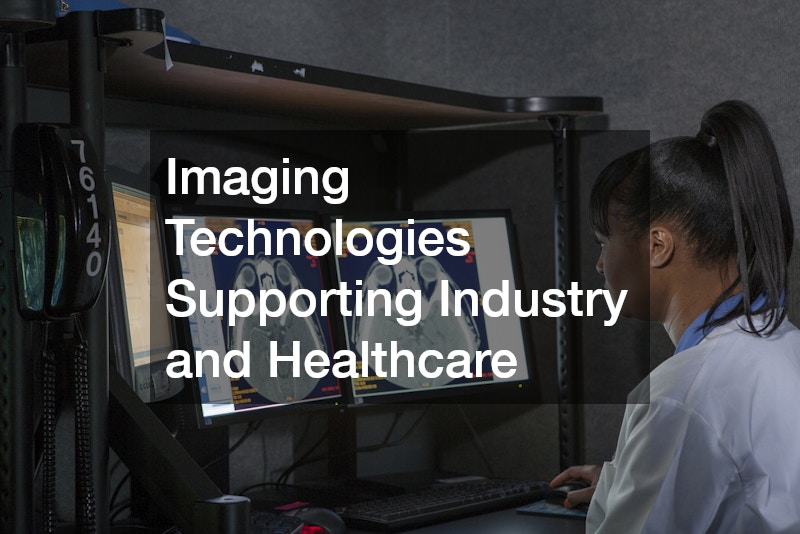
Imaging Technologies Supporting Industry and Healthcare
Advanced imaging systems are used across many industries to diagnose problems, inspect materials, and support medical and scientific research.
In healthcare environments, open scanners have become increasingly popular because they provide more comfortable imaging experiences for patients who may feel confined in traditional scanning equipment. These systems use open designs that allow greater visibility and space during diagnostic procedures.
Open imaging systems are particularly useful for patients who experience anxiety or claustrophobia during traditional scans. They also allow medical professionals to perform imaging procedures while maintaining better patient communication.
Beyond healthcare, imaging technologies are also used in industrial inspections, product testing, and research environments. These tools help engineers detect structural issues, analyze materials, and evaluate product performance before items reach the market.
Broadcast and Media Infrastructure in Industrial Communication
Connecting the Entire Industrial Ecosystem
The technologies discussed above illustrate the complexity of modern industrial systems. From agricultural production and manufacturing to transportation, recycling, and communication infrastructure, countless technologies work together to support global supply chains.
Farmers depend on advanced tools to improve crop yields. Manufacturers rely on equipment such as the industrial wax melter and precision sensors like the position transducer to maintain production accuracy. Environmental monitoring and environmental test equipment services help ensure facilities meet regulatory standards.
Recycling technologies—including catalyst recycling and the acetone recycling machine—help industries recover valuable materials and reduce environmental impact. Logistics systems depend on heavy-duty equipment like winch systems, while transportation fleets remain operational through tools such as digital vehicle inspections.
At the same time, diagnostic technologies such as open scanners and communication tools like throwdown converters support industries that rely on imaging and digital media infrastructure.
Each of these technologies represents a piece of the broader industrial puzzle. When combined, they create a complex ecosystem that supports the production, movement, and communication of goods and services around the world.
The Future of Integrated Industrial Technology
As industries continue to evolve, technology will play an even greater role in shaping how businesses operate. Automation, artificial intelligence, and advanced data analytics are already transforming manufacturing and supply chain management.
Sensors, monitoring systems, and digital inspection tools will continue to provide real-time data that helps companies make better operational decisions. Recycling technologies will expand as industries pursue more sustainable production models.
In addition, emerging technologies such as predictive maintenance systems, connected industrial equipment, and machine learning algorithms will allow organizations to identify issues before they occur. These tools can reduce downtime, lower operational costs, and improve overall productivity.
Meanwhile, improvements in imaging systems, communication infrastructure, and specialized equipment will continue to enhance efficiency across multiple sectors.
From the fields where crops are grown to the factories where products are manufactured, technology connects every stage of the industrial lifecycle. By embracing innovation and integrating advanced tools into their operations, industries can build more efficient, sustainable, and resilient systems for the future.
Modern industrial systems are powered by a vast network of technologies that span agriculture, manufacturing, logistics, environmental management, and digital infrastructure. From the early stages of raw material production to the advanced equipment used in factories and laboratories, innovation plays a critical role in improving efficiency, safety, and sustainability.
Many people think of industry only in terms of factories or heavy machinery, but the reality is far broader. Agricultural production, chemical processing, transportation fleets, diagnostic imaging, and broadcast infrastructure all rely on specialized technologies working together behind the scenes. These systems help businesses produce goods more efficiently, minimize waste, maintain compliance with regulations, and improve operational reliability.
Understanding how these technologies connect—from farm to factory—provides valuable insight into the systems that support modern economies. Tools such as open scanners, catalyst recycling, digital vehicle inspections, and position transducers demonstrate how innovation is transforming industrial processes across multiple sectors.
Modern supply chains are increasingly interconnected, meaning improvements in one area often benefit multiple industries. For example, advances in agricultural production can reduce raw material costs for manufacturers, while improvements in recycling technologies can help companies operate more sustainably. As industries continue to adopt new technologies, the integration between sectors becomes even more important.
Below is a closer look at some of the technologies shaping modern industry and how they work together across the supply chain.
Agricultural Production and the Beginning of Industrial Supply Chains
Nearly every industrial process begins with raw materials, and agriculture remains one of the most important sources of these materials. Among the many agricultural products that support global industries, cotton continues to play a significant role in textiles, manufacturing, and consumer goods.
Modern cotton farming has evolved significantly in recent decades. Farmers now rely on precision agriculture techniques, satellite mapping, and data-driven irrigation systems to maximize yields while conserving resources. Advances in seed technology and soil monitoring also allow growers to reduce chemical usage and improve crop resilience.
Agricultural technology companies have also introduced smart farming tools that help farmers monitor crop health and soil conditions in real time. Drones, automated irrigation systems, and predictive analytics allow producers to make better decisions about planting, fertilization, and harvesting schedules.
Beyond the fields, harvesting equipment and processing facilities work together to prepare cotton for manufacturing. Automated ginning systems separate fibers from seeds, while quality monitoring tools ensure consistency before the material moves to textile manufacturers.
The technologies supporting agriculture do more than improve productivity—they also help farmers meet growing sustainability expectations. Efficient irrigation systems, improved crop genetics, and soil conservation practices are helping agricultural producers maintain profitability while reducing environmental impact.
Once harvested, raw materials such as cotton enter broader industrial networks where manufacturing equipment and specialized machinery transform them into finished goods.
Manufacturing Equipment and Material Processing
Once raw materials arrive at processing facilities, they undergo a wide range of industrial transformations. Manufacturing plants rely on specialized equipment to heat, mix, shape, and refine materials for use in products across multiple industries.
One example of this type of equipment is the industrial wax melter, which plays a critical role in industries ranging from candle production to coatings, packaging, and cosmetics manufacturing. These systems are designed to melt wax or similar materials safely and efficiently while maintaining precise temperature control.
Industrial melters allow manufacturers to handle large volumes of raw material while ensuring consistent quality during production. Advanced systems often include digital temperature controls, safety mechanisms, and automated dispensing capabilities that streamline production workflows.
Precision in these environments is essential. Even small variations in temperature or material consistency can affect product quality. For this reason, manufacturers frequently integrate sensors and monitoring tools throughout production lines.
Sensors that measure pressure, displacement, or movement—such as a position transducer—help ensure that machinery operates within exact specifications. These devices convert mechanical motion into measurable electrical signals, allowing operators to monitor equipment performance in real time.
By combining advanced machinery with precision measurement technology, manufacturers can maintain high-quality production standards while minimizing downtime and waste.
Measuring and Monitoring Industrial Systems
Reliable industrial processes depend heavily on accurate monitoring. Sensors, diagnostic tools, and calibration equipment allow operators to track conditions such as pressure, temperature, humidity, and vibration throughout facilities.
Devices like a position transducer are often integrated into automated systems to measure displacement or movement in machinery. These sensors provide critical feedback that helps operators maintain precise control over equipment operations.
Monitoring technologies extend beyond individual machines. Entire facilities often rely on environmental monitoring systems to maintain regulatory compliance and ensure safe working conditions.
Organizations that provide environmental test equipment services help industries evaluate air quality, emissions levels, and workplace safety conditions. These services include equipment calibration, environmental monitoring solutions, and compliance testing that helps companies meet government and industry standards.
Environmental monitoring has become especially important in sectors such as chemical processing, pharmaceuticals, and manufacturing, where strict regulations govern emissions and workplace exposure limits. By partnering with testing service providers, companies can maintain regulatory compliance while protecting employees and surrounding communities.
Monitoring tools and testing services work together to ensure industrial facilities remain safe, efficient, and environmentally responsible.
Recycling Technologies and Sustainable Industrial Practices
As industries continue to expand, sustainability has become a major focus for manufacturers and chemical processors. Recycling technologies allow companies to recover valuable materials while reducing waste and minimizing environmental impact.
One example is catalyst recycling, a process used in chemical manufacturing and petroleum refining. Catalysts are substances that accelerate chemical reactions without being consumed during the process. Over time, however, catalysts degrade or become contaminated and must be replaced.
Rather than discarding spent catalysts, specialized recycling processes recover valuable metals such as platinum, palladium, and rhodium. These metals are then refined and reused in new catalysts or other industrial applications.
Another important recycling technology used in laboratories and manufacturing environments is the acetone recycling machine. Acetone is a widely used solvent in industries such as electronics, pharmaceuticals, and coatings. Instead of disposing of contaminated solvent after use, recycling systems distill and purify acetone so it can be reused multiple times.
This approach reduces chemical waste, lowers operational costs, and helps facilities comply with environmental regulations.
Recycling technologies like these demonstrate how modern industrial systems are evolving to support sustainability while maintaining productivity.
Logistics and Heavy Equipment for Industrial Operations
Moving materials through industrial environments requires specialized equipment designed to handle heavy loads and operate safely in challenging conditions.
Among the most versatile tools used in these environments are winch systems. Winches are mechanical devices that use cables or ropes to lift, pull, or secure heavy objects. They are widely used in construction, marine operations, manufacturing plants, and transportation industries.
Modern winch systems are often powered by electric, hydraulic, or pneumatic motors. These systems allow operators to move large equipment, load materials onto trucks or ships, and position heavy components during construction or assembly.
Safety features such as load monitoring sensors and automatic braking mechanisms help ensure that lifting operations remain stable and controlled.
In addition to lifting equipment, logistics networks also rely heavily on vehicle fleets. Delivery trucks, service vehicles, and transportation fleets must remain reliable and well-maintained to keep supply chains moving efficiently.
This is where modern inspection technology plays a role.
The Rise of Data-Driven Fleet Maintenance
Fleet management has evolved significantly with the introduction of digital technologies. Companies that rely on transportation vehicles now use mobile platforms and automated reporting systems to track maintenance, identify issues, and improve safety.
One of the most useful tools in modern fleet management is digital vehicle inspections. These systems allow technicians and drivers to conduct vehicle inspections using mobile devices rather than paper checklists.
Inspection data is recorded electronically and stored in centralized systems where fleet managers can analyze maintenance trends, schedule repairs, and monitor compliance with safety regulations.
Digital inspection systems reduce paperwork, improve accuracy, and provide real-time insights into vehicle conditions. For companies operating large fleets, these systems help minimize downtime and prevent costly mechanical failures.
By integrating inspection tools with maintenance tracking software, organizations can extend vehicle lifespan while improving operational reliability across transportation networks.
Imaging Technologies Supporting Industry and Healthcare
Advanced imaging systems are used across many industries to diagnose problems, inspect materials, and support medical and scientific research.
In healthcare environments, open scanners have become increasingly popular because they provide more comfortable imaging experiences for patients who may feel confined in traditional scanning equipment. These systems use open designs that allow greater visibility and space during diagnostic procedures.
Open imaging systems are particularly useful for patients who experience anxiety or claustrophobia during traditional scans. They also allow medical professionals to perform imaging procedures while maintaining better patient communication.
Beyond healthcare, imaging technologies are also used in industrial inspections, product testing, and research environments. These tools help engineers detect structural issues, analyze materials, and evaluate product performance before items reach the market.
Broadcast and Media Infrastructure in Industrial Communication
Connecting the Entire Industrial Ecosystem
The technologies discussed above illustrate the complexity of modern industrial systems. From agricultural production and manufacturing to transportation, recycling, and communication infrastructure, countless technologies work together to support global supply chains.
Farmers depend on advanced tools to improve crop yields. Manufacturers rely on equipment such as the industrial wax melter and precision sensors like the position transducer to maintain production accuracy. Environmental monitoring and environmental test equipment services help ensure facilities meet regulatory standards.
Recycling technologies—including catalyst recycling and the acetone recycling machine—help industries recover valuable materials and reduce environmental impact. Logistics systems depend on heavy-duty equipment like winch systems, while transportation fleets remain operational through tools such as digital vehicle inspections.
At the same time, diagnostic technologies such as open scanners and communication tools like throwdown converters support industries that rely on imaging and digital media infrastructure.
Each of these technologies represents a piece of the broader industrial puzzle. When combined, they create a complex ecosystem that supports the production, movement, and communication of goods and services around the world.
The Future of Integrated Industrial Technology
As industries continue to evolve, technology will play an even greater role in shaping how businesses operate. Automation, artificial intelligence, and advanced data analytics are already transforming manufacturing and supply chain management.
Sensors, monitoring systems, and digital inspection tools will continue to provide real-time data that helps companies make better operational decisions. Recycling technologies will expand as industries pursue more sustainable production models.
In addition, emerging technologies such as predictive maintenance systems, connected industrial equipment, and machine learning algorithms will allow organizations to identify issues before they occur. These tools can reduce downtime, lower operational costs, and improve overall productivity.
Meanwhile, improvements in imaging systems, communication infrastructure, and specialized equipment will continue to enhance efficiency across multiple sectors.
From the fields where crops are grown to the factories where products are manufactured, technology connects every stage of the industrial lifecycle. By embracing innovation and integrating advanced tools into their operations, industries can build more efficient, sustainable, and resilient systems for the future.
Modern industrial systems are powered by a vast network of technologies that span agriculture, manufacturing, logistics, environmental management, and digital infrastructure. From the early stages of raw material production to the advanced equipment used in factories and laboratories, innovation plays a critical role in improving efficiency, safety, and sustainability.
Many people think of industry only in terms of factories or heavy machinery, but the reality is far broader. Agricultural production, chemical processing, transportation fleets, diagnostic imaging, and broadcast infrastructure all rely on specialized technologies working together behind the scenes. These systems help businesses produce goods more efficiently, minimize waste, maintain compliance with regulations, and improve operational reliability.
Understanding how these technologies connect—from farm to factory—provides valuable insight into the systems that support modern economies. Tools such as open scanners, catalyst recycling, digital vehicle inspections, and position transducers demonstrate how innovation is transforming industrial processes across multiple sectors.
Modern supply chains are increasingly interconnected, meaning improvements in one area often benefit multiple industries. For example, advances in agricultural production can reduce raw material costs for manufacturers, while improvements in recycling technologies can help companies operate more sustainably. As industries continue to adopt new technologies, the integration between sectors becomes even more important.
Below is a closer look at some of the technologies shaping modern industry and how they work together across the supply chain.
Agricultural Production and the Beginning of Industrial Supply Chains
Nearly every industrial process begins with raw materials, and agriculture remains one of the most important sources of these materials. Among the many agricultural products that support global industries, cotton continues to play a significant role in textiles, manufacturing, and consumer goods.
Modern cotton farming has evolved significantly in recent decades. Farmers now rely on precision agriculture techniques, satellite mapping, and data-driven irrigation systems to maximize yields while conserving resources. Advances in seed technology and soil monitoring also allow growers to reduce chemical usage and improve crop resilience.
Agricultural technology companies have also introduced smart farming tools that help farmers monitor crop health and soil conditions in real time. Drones, automated irrigation systems, and predictive analytics allow producers to make better decisions about planting, fertilization, and harvesting schedules.
Beyond the fields, harvesting equipment and processing facilities work together to prepare cotton for manufacturing. Automated ginning systems separate fibers from seeds, while quality monitoring tools ensure consistency before the material moves to textile manufacturers.
The technologies supporting agriculture do more than improve productivity—they also help farmers meet growing sustainability expectations. Efficient irrigation systems, improved crop genetics, and soil conservation practices are helping agricultural producers maintain profitability while reducing environmental impact.
Once harvested, raw materials such as cotton enter broader industrial networks where manufacturing equipment and specialized machinery transform them into finished goods.
Manufacturing Equipment and Material Processing
Once raw materials arrive at processing facilities, they undergo a wide range of industrial transformations. Manufacturing plants rely on specialized equipment to heat, mix, shape, and refine materials for use in products across multiple industries.
One example of this type of equipment is the industrial wax melter, which plays a critical role in industries ranging from candle production to coatings, packaging, and cosmetics manufacturing. These systems are designed to melt wax or similar materials safely and efficiently while maintaining precise temperature control.
Industrial melters allow manufacturers to handle large volumes of raw material while ensuring consistent quality during production. Advanced systems often include digital temperature controls, safety mechanisms, and automated dispensing capabilities that streamline production workflows.
Precision in these environments is essential. Even small variations in temperature or material consistency can affect product quality. For this reason, manufacturers frequently integrate sensors and monitoring tools throughout production lines.
Sensors that measure pressure, displacement, or movement—such as a position transducer—help ensure that machinery operates within exact specifications. These devices convert mechanical motion into measurable electrical signals, allowing operators to monitor equipment performance in real time.
By combining advanced machinery with precision measurement technology, manufacturers can maintain high-quality production standards while minimizing downtime and waste.
Measuring and Monitoring Industrial Systems
Reliable industrial processes depend heavily on accurate monitoring. Sensors, diagnostic tools, and calibration equipment allow operators to track conditions such as pressure, temperature, humidity, and vibration throughout facilities.
Devices like a position transducer are often integrated into automated systems to measure displacement or movement in machinery. These sensors provide critical feedback that helps operators maintain precise control over equipment operations.
Monitoring technologies extend beyond individual machines. Entire facilities often rely on environmental monitoring systems to maintain regulatory compliance and ensure safe working conditions.
Organizations that provide environmental test equipment services help industries evaluate air quality, emissions levels, and workplace safety conditions. These services include equipment calibration, environmental monitoring solutions, and compliance testing that helps companies meet government and industry standards.
Environmental monitoring has become especially important in sectors such as chemical processing, pharmaceuticals, and manufacturing, where strict regulations govern emissions and workplace exposure limits. By partnering with testing service providers, companies can maintain regulatory compliance while protecting employees and surrounding communities.
Monitoring tools and testing services work together to ensure industrial facilities remain safe, efficient, and environmentally responsible.
Recycling Technologies and Sustainable Industrial Practices
As industries continue to expand, sustainability has become a major focus for manufacturers and chemical processors. Recycling technologies allow companies to recover valuable materials while reducing waste and minimizing environmental impact.
One example is catalyst recycling, a process used in chemical manufacturing and petroleum refining. Catalysts are substances that accelerate chemical reactions without being consumed during the process. Over time, however, catalysts degrade or become contaminated and must be replaced.
Rather than discarding spent catalysts, specialized recycling processes recover valuable metals such as platinum, palladium, and rhodium. These metals are then refined and reused in new catalysts or other industrial applications.
Another important recycling technology used in laboratories and manufacturing environments is the acetone recycling machine. Acetone is a widely used solvent in industries such as electronics, pharmaceuticals, and coatings. Instead of disposing of contaminated solvent after use, recycling systems distill and purify acetone so it can be reused multiple times.
This approach reduces chemical waste, lowers operational costs, and helps facilities comply with environmental regulations.
Recycling technologies like these demonstrate how modern industrial systems are evolving to support sustainability while maintaining productivity.
Logistics and Heavy Equipment for Industrial Operations
Moving materials through industrial environments requires specialized equipment designed to handle heavy loads and operate safely in challenging conditions.
Among the most versatile tools used in these environments are winch systems. Winches are mechanical devices that use cables or ropes to lift, pull, or secure heavy objects. They are widely used in construction, marine operations, manufacturing plants, and transportation industries.
Modern winch systems are often powered by electric, hydraulic, or pneumatic motors. These systems allow operators to move large equipment, load materials onto trucks or ships, and position heavy components during construction or assembly.
Safety features such as load monitoring sensors and automatic braking mechanisms help ensure that lifting operations remain stable and controlled.
In addition to lifting equipment, logistics networks also rely heavily on vehicle fleets. Delivery trucks, service vehicles, and transportation fleets must remain reliable and well-maintained to keep supply chains moving efficiently.
This is where modern inspection technology plays a role.
The Rise of Data-Driven Fleet Maintenance
Fleet management has evolved significantly with the introduction of digital technologies. Companies that rely on transportation vehicles now use mobile platforms and automated reporting systems to track maintenance, identify issues, and improve safety.
One of the most useful tools in modern fleet management is digital vehicle inspections. These systems allow technicians and drivers to conduct vehicle inspections using mobile devices rather than paper checklists.
Inspection data is recorded electronically and stored in centralized systems where fleet managers can analyze maintenance trends, schedule repairs, and monitor compliance with safety regulations.
Digital inspection systems reduce paperwork, improve accuracy, and provide real-time insights into vehicle conditions. For companies operating large fleets, these systems help minimize downtime and prevent costly mechanical failures.
By integrating inspection tools with maintenance tracking software, organizations can extend vehicle lifespan while improving operational reliability across transportation networks.
Imaging Technologies Supporting Industry and Healthcare
Advanced imaging systems are used across many industries to diagnose problems, inspect materials, and support medical and scientific research.
In healthcare environments, open scanners have become increasingly popular because they provide more comfortable imaging experiences for patients who may feel confined in traditional scanning equipment. These systems use open designs that allow greater visibility and space during diagnostic procedures.
Open imaging systems are particularly useful for patients who experience anxiety or claustrophobia during traditional scans. They also allow medical professionals to perform imaging procedures while maintaining better patient communication.
Beyond healthcare, imaging technologies are also used in industrial inspections, product testing, and research environments. These tools help engineers detect structural issues, analyze materials, and evaluate product performance before items reach the market.
Broadcast and Media Infrastructure in Industrial Communication
Connecting the Entire Industrial Ecosystem
The technologies discussed above illustrate the complexity of modern industrial systems. From agricultural production and manufacturing to transportation, recycling, and communication infrastructure, countless technologies work together to support global supply chains.
Farmers depend on advanced tools to improve crop yields. Manufacturers rely on equipment such as the industrial wax melter and precision sensors like the position transducer to maintain production accuracy. Environmental monitoring and environmental test equipment services help ensure facilities meet regulatory standards.
Recycling technologies—including catalyst recycling and the acetone recycling machine—help industries recover valuable materials and reduce environmental impact. Logistics systems depend on heavy-duty equipment like winch systems, while transportation fleets remain operational through tools such as digital vehicle inspections.
At the same time, diagnostic technologies such as open scanners and communication tools like throwdown converters support industries that rely on imaging and digital media infrastructure.
Each of these technologies represents a piece of the broader industrial puzzle. When combined, they create a complex ecosystem that supports the production, movement, and communication of goods and services around the world.
The Future of Integrated Industrial Technology
As industries continue to evolve, technology will play an even greater role in shaping how businesses operate. Automation, artificial intelligence, and advanced data analytics are already transforming manufacturing and supply chain management.
Sensors, monitoring systems, and digital inspection tools will continue to provide real-time data that helps companies make better operational decisions. Recycling technologies will expand as industries pursue more sustainable production models.
In addition, emerging technologies such as predictive maintenance systems, connected industrial equipment, and machine learning algorithms will allow organizations to identify issues before they occur. These tools can reduce downtime, lower operational costs, and improve overall productivity.
Meanwhile, improvements in imaging systems, communication infrastructure, and specialized equipment will continue to enhance efficiency across multiple sectors.
From the fields where crops are grown to the factories where products are manufactured, technology connects every stage of the industrial lifecycle. By embracing innovation and integrating advanced tools into their operations, industries can build more efficient, sustainable, and resilient systems for the future.